
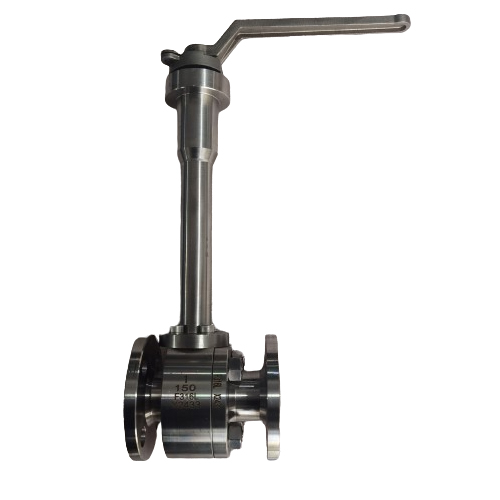
Ball Valves Manufacturer

In Accordance with GB, JB, ANSI, API, DIN, BS, GOST, JIS

Leader of Ball Valve Manufacturer in China

ZUV is a leading ball valve manufacturer in China, delivering high-quality and reliable solutions for oil & gas, petrochemical, power generation, and industrial applications worldwide. With a full product range including floating ball valves, trunnion mounted ball valves, and high-performance designs, ZUV ensures excellent sealing, low torque operation, and long service life. All valves are manufactured under strict quality control and comply with international standards such as API, ASME, and ISO. Supported by strong engineering capabilities and flexible customization, ZUV helps global buyers achieve safer operations, lower maintenance costs, and dependable performance in demanding conditions.

图1

Selection of Industrial Ball Valve types

Selecting the right industrial ball valve type is essential for achieving reliable shut-off performance and efficient flow control. Common options include floating ball valves for general applications, trunnion mounted ball valves for high-pressure and large-size systems, and V-port or multi-port ball valves for precise flow regulation and distribution. Factors such as pressure rating, temperature, medium characteristics, and sealing requirements must be carefully considered. At ZUV, a complete range of high-performance ball valves is provided, designed in accordance with API, ASME, and ISO standards. With strong engineering support and flexible customization, ZUV helps global buyers select the most suitable and cost-effective valve solution for their projects.

How to Control the Quality of Ball Valve

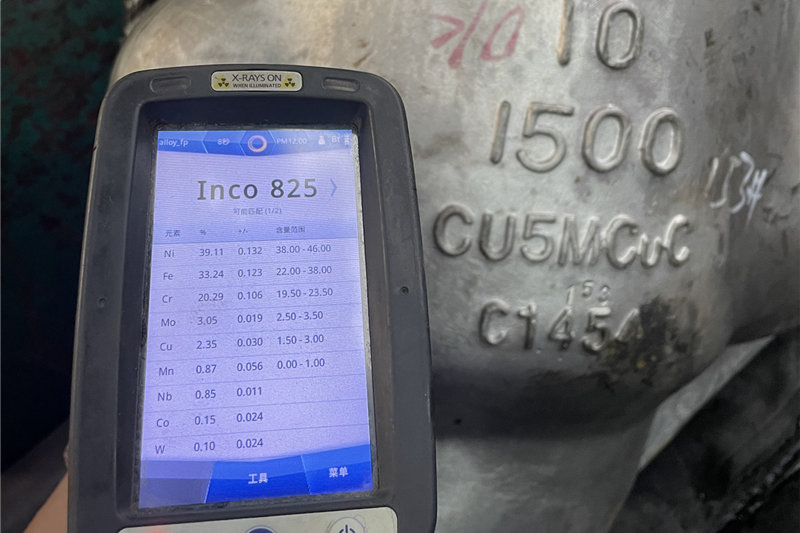
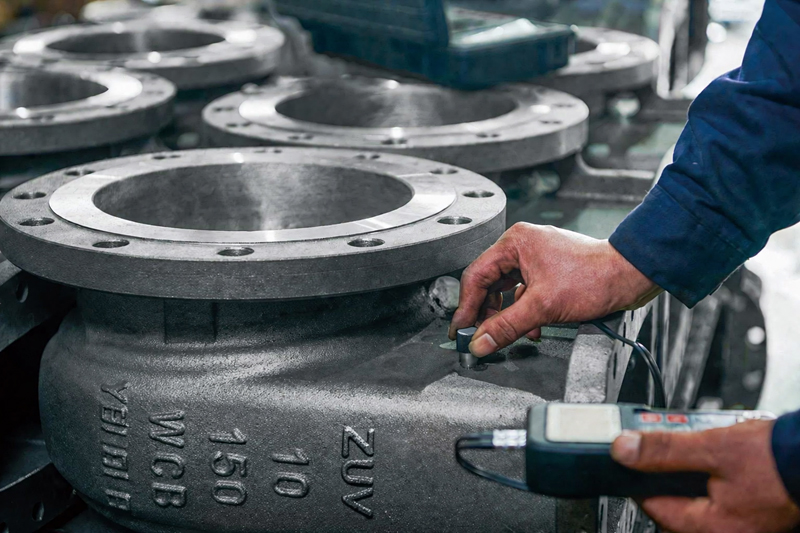
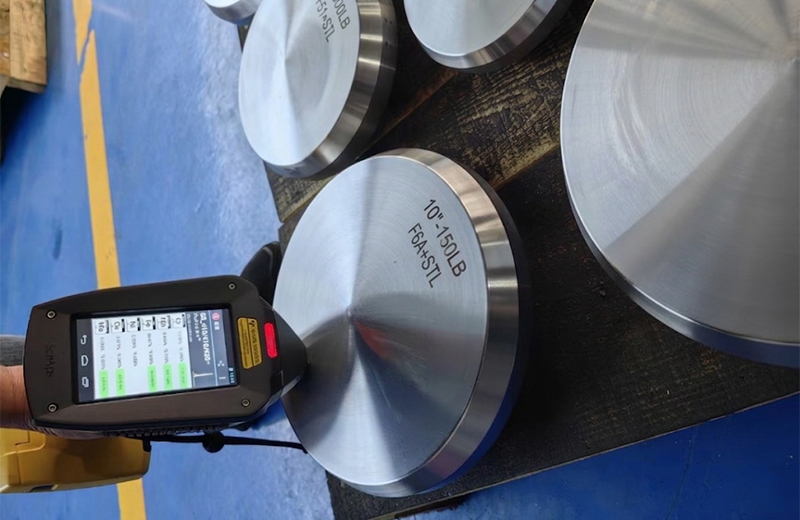
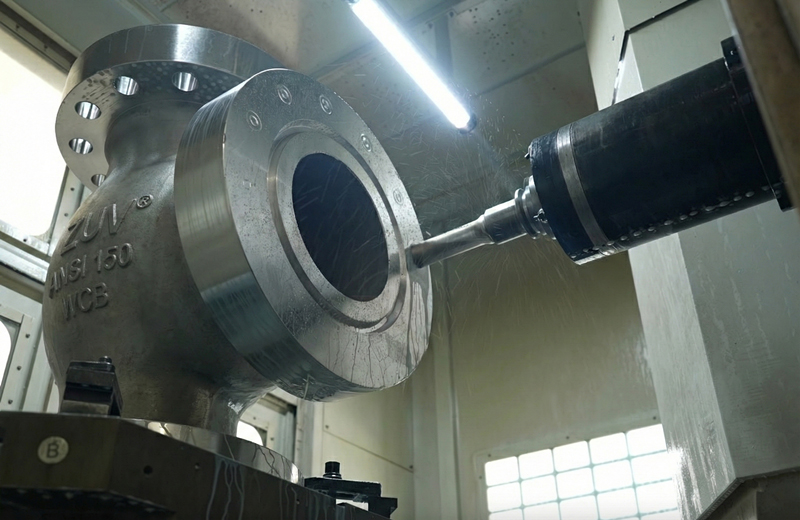
Controlling the quality of a ball valve requires strict oversight from raw material selection to final inspection. Key steps include using certified materials such as WCB, CF8M, or duplex stainless steel, precision machining of the ball and seat to ensure tight sealing, and accurate assembly to maintain low torque and smooth operation. Critical tests—such as pressure testing, seat leakage testing, and NDE—are essential to verify performance under real working conditions. At ZUV, a comprehensive quality control system is implemented in accordance with API, ASME, and ISO standards, ensuring every ball valve delivers reliable sealing, long service life, and consistent quality that global buyers can trust.

Choose A Suitable Ball Valve Supplier:

First of all, you should choose a ball valve supplier with good reputation and rich experience. When choosing a supplier, you should strictly review its qualifications, production equipment and process level. ZUV will be your partner of China valve manufacturer.

Strictly Control the Quality of Valve Raw Materials:

The materials used in ball valves directly affect their quality. You should choose high-quality raw material suppliers and conduct strict quality inspection and control on the raw materials.

Strengthen Valve Production Process Control:

In the production of ball valves, process control should be strengthened, and operations should be strictly carried out in accordance with process regulations to ensure strict control of each link to prevent quality risks caused by improper operation.

Improve the Valve Quality Inspection System:

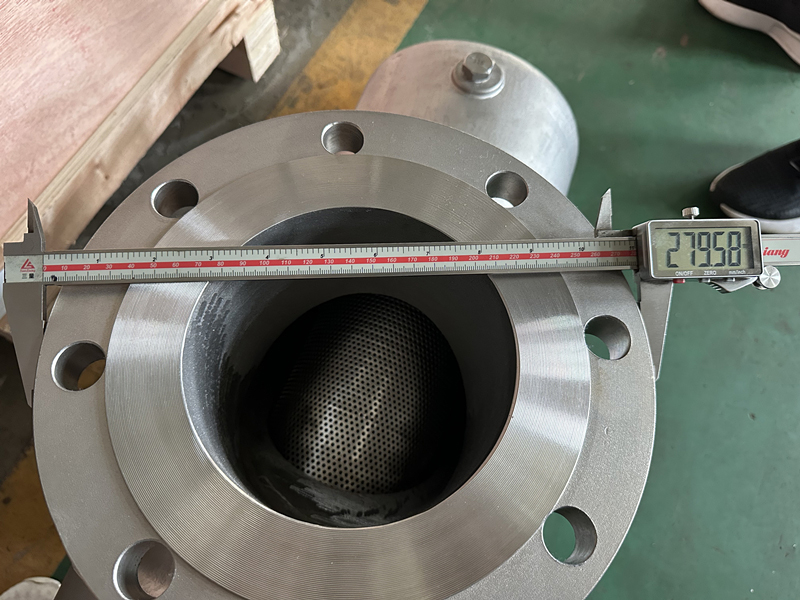
After the production of ball valves is completed, comprehensive and detailed quality inspections should be carried out. The inspection equipment should be advanced and accurate, and the inspection methods should be strictly operated in accordance with standards.

Strengthen Valve Factory After-sales Service:

The quality issues raised by customers should be responded to quickly, the quality issues that arise should be solved in a timely manner, and products and services should be actively improved to continuously improve customer satisfaction.

How can you Choose the Correct Ball Valves

There are many types of ball valves. It is a widely used valve that is often used to control and cut off liquid flow. It is very important to choose the correct ball valves. Let’s listen to the advice of China Ball Valve Factory – ZUV

Selection of ball valve structure:

Floating Ball Valve:

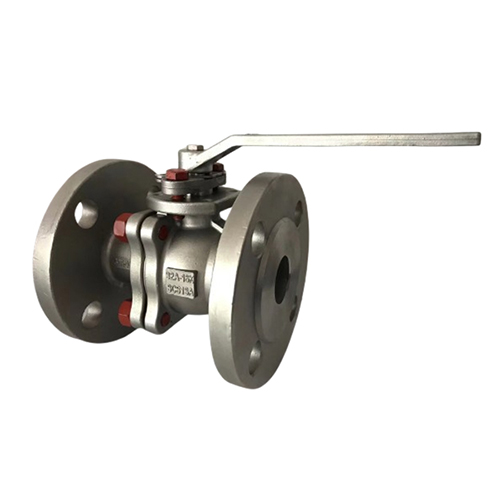
The ball of the ball valve is floating. Under the action of the medium pressure, the ball can produce a certain displacement and press tightly on the sealing surface of the outlet to ensure the sealing of the outlet. Commonly used for ball valves below 8″.

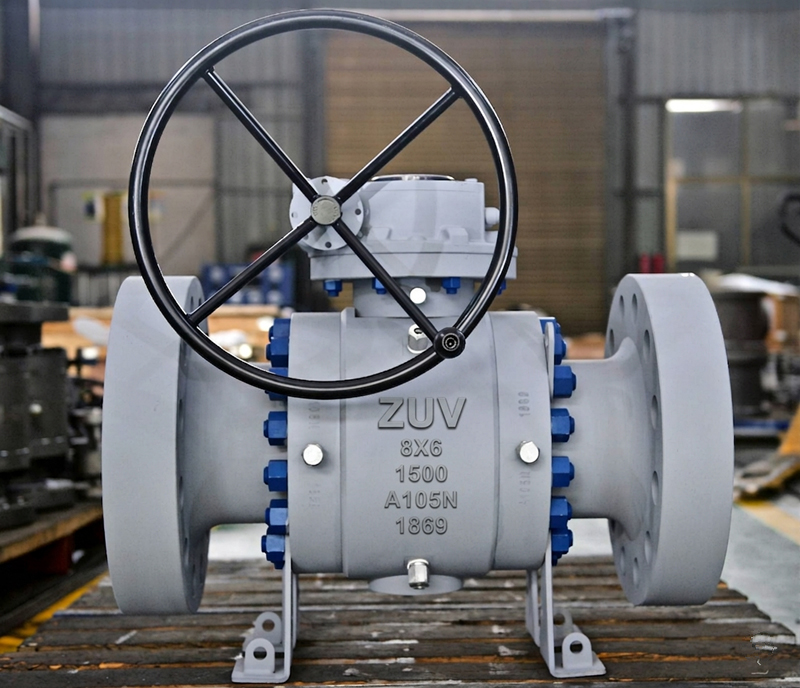
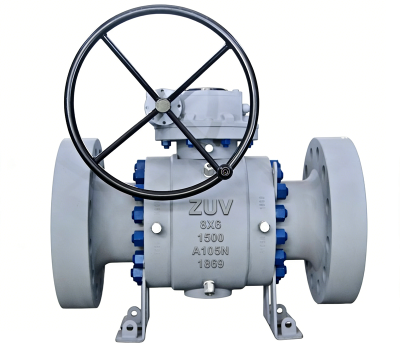
Trunnion Mounted Ball Valve:

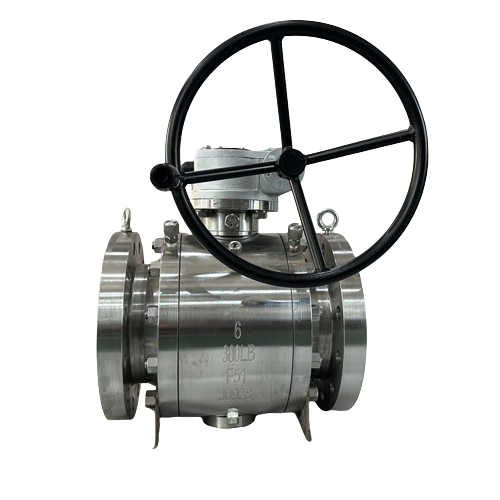
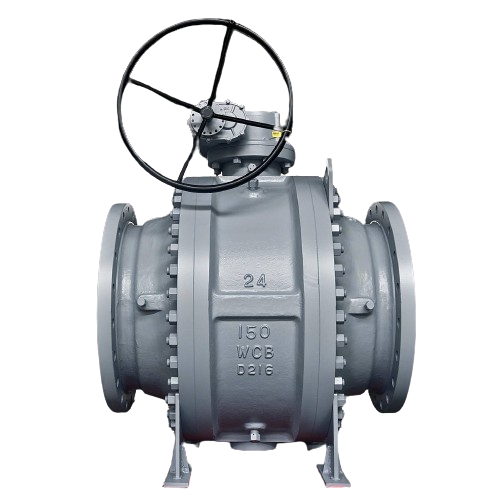
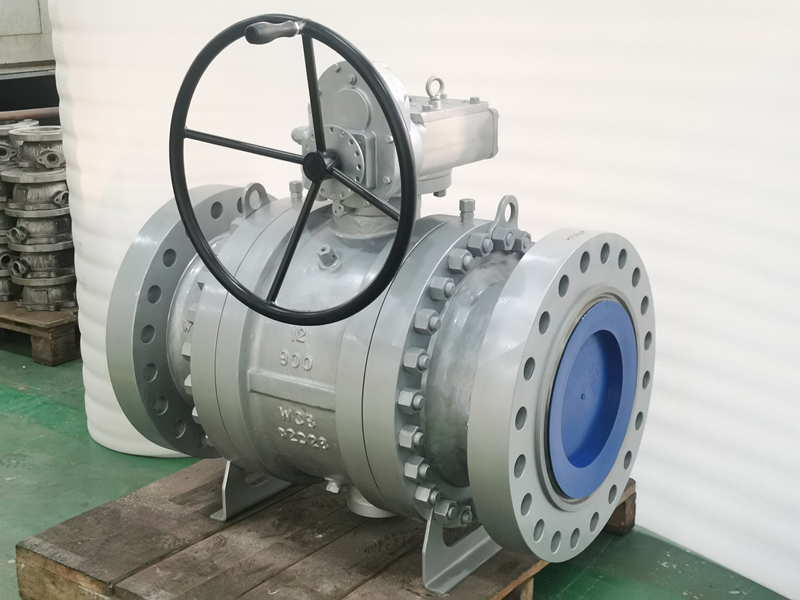
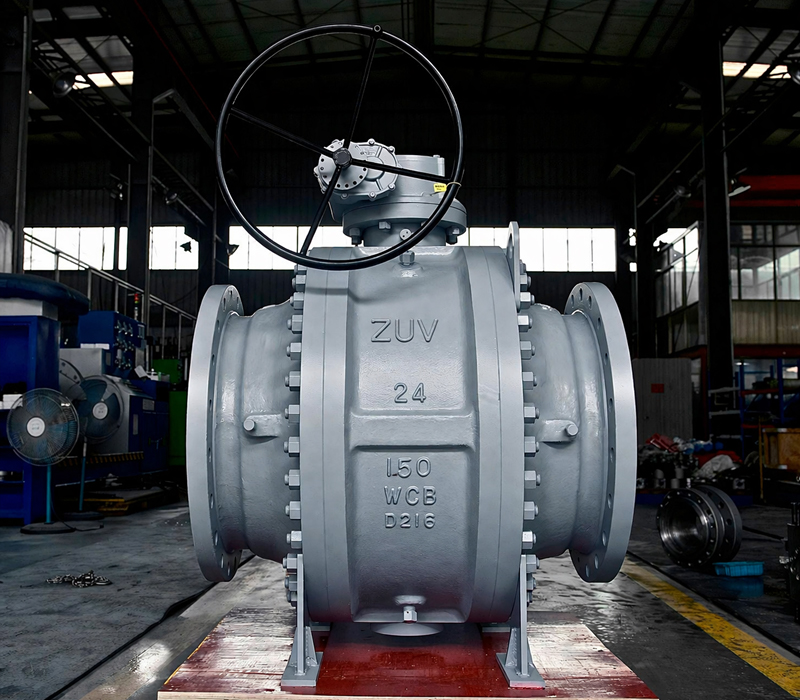
Compared with the floating ball valve, when it is working, the force generated by the fluid pressure in front of the valve on the ball is all transmitted to the bearing, and the ball will not move toward the valve seat, so the valve seat will not bear excessive pressure. Therefore, the fixed ball valve has small torque, small seat deformation, stable sealing performance, long service life, and is suitable for high pressure and large diameter occasions.

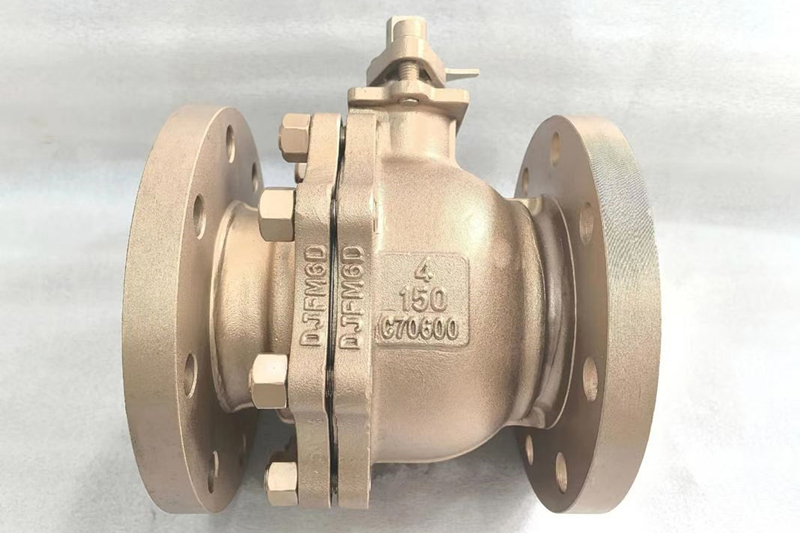
Two Piece Ball Valve

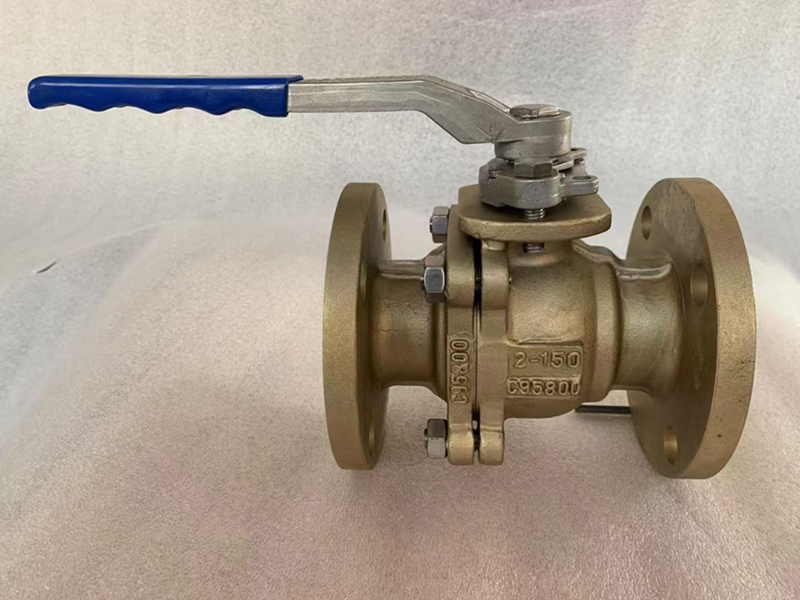
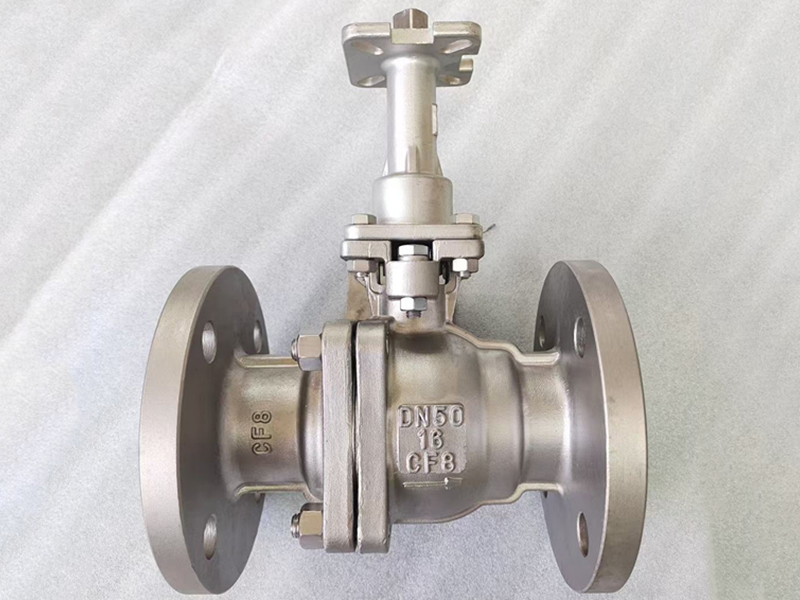
It consists of a left valve body and a right valve body. Usually, cast ball valves will adopt a two-piece structure, such as WCB ball valve, CF8 ball valve, CF8M ball valve, etc. The production cost will be lower than that of forged ball valves.

Three Piece Ball Valve

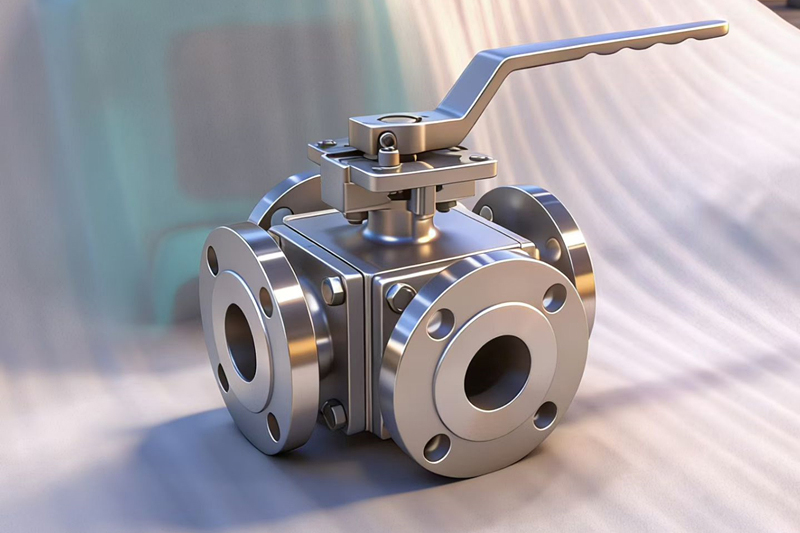
The three piece ball valve is usually composed of a valve body, a ball and a valve stem. The valve body is divided into three pieces, and the ball rotates in the valve body to achieve the switch function.
The three-piece ball valve is mainly used in the pipeline to cut off, distribute and change the flow direction of the medium.

Side Entry Ball Valve

The inlet and outlet of the ball of the side entry ball valve are located on the side of the valve body, and the ball rotation axis is perpendicular to the pipeline axis

Top Entry Ball Valve

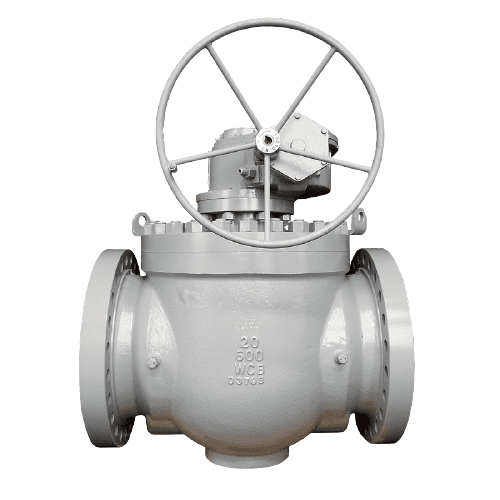
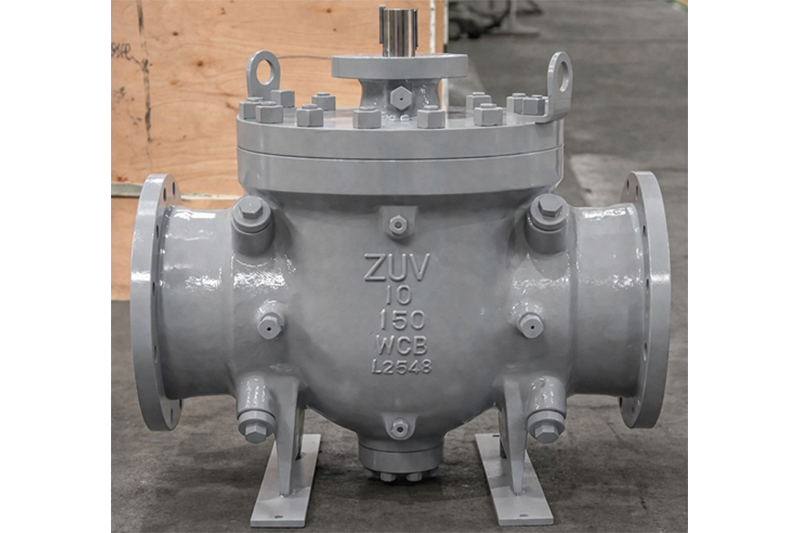
The ball of the top entry ball valve is located on the upper part of the valve. This design allows the internal components to be replaced and maintained without disassembling the pipeline, greatly reducing maintenance time and cost.
‌Modular design‌: Key components such as the ball, valve seat and seal can be quickly disassembled and replaced.
‌Low operating torque‌: The contact area between the ball and the valve seat is small, and the operating torque is low.
‌Self-cleaning characteristics‌: The rotation of the ball can scrape off the scale on the valve seat and reduce the obstruction of fluid flow.
‌Multiple sealing materials‌: Seals of different materials can be selected according to different media characteristics.

Choice of Ball structure in Ball Valve

Full Port Ball Valve

The valve body channel diameter of the diameter ball valve is equal to the pipeline diameter, that is, the diameter of the ball matches the inner diameter of the pipeline, usually with a lower flow resistance coefficient and a higher flow rate coefficient, which can ensure that the fluid maintains a small pressure loss and a faster flow rate when passing through the valve. In addition, due to the large sealing area between the ball and the valve seat, the sealing performance is relatively good.

Reduced Port Ball Valve

The valve body channel of the reduced diameter ball valve will be reduced to a certain extent before and after the ball, that is, the ball diameter is smaller than the inner diameter of the pipe, with compact structure and light weight. However, it reduces the flow resistance coefficient and flow coefficient to a certain extent, and when it needs to handle high pressure, high temperature or corrosive media, its sealing performance may be affected to a certain extent.

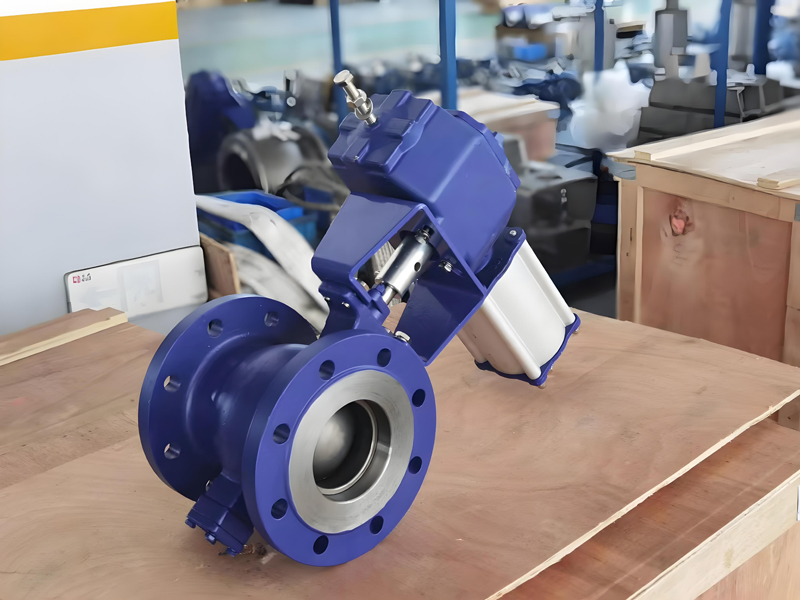
V type Ball Valve

The most notable feature is the use of V The V-shaped (or conical) valve seat design. This design allows the ball to form a gradually changing channel during rotation, thereby achieving precise regulation of the fluid flow. V-type ball valves are usually equipped with manual, electric or pneumatic drive devices to control the rotation angle of the ball. By adjusting the rotation angle of the ball, precise regulation of the fluid flow can be achieved (in this case, it can be called a V-type regulating valve). The V-groove design of the V-type ball valve also has a self-cleaning function. When the fluid passes through, the V-groove can guide the fluid to form a certain flushing force, help remove impurities and particles on the valve seat, and maintain the valve. Clean and unobstructed.

Choice by Multi-way Ball Valves

Straight Through Ball Valve

A straight-through ball valve is a ball valve without any obstruction inside the valve body. It is usually in the shape of a long strip connected by two flanges. Straight-through ball valves are mainly used in situations where the medium flow is large. Because the direct diameter is the same, the medium can flow smoothly regardless of whether the switch state is open or closed.

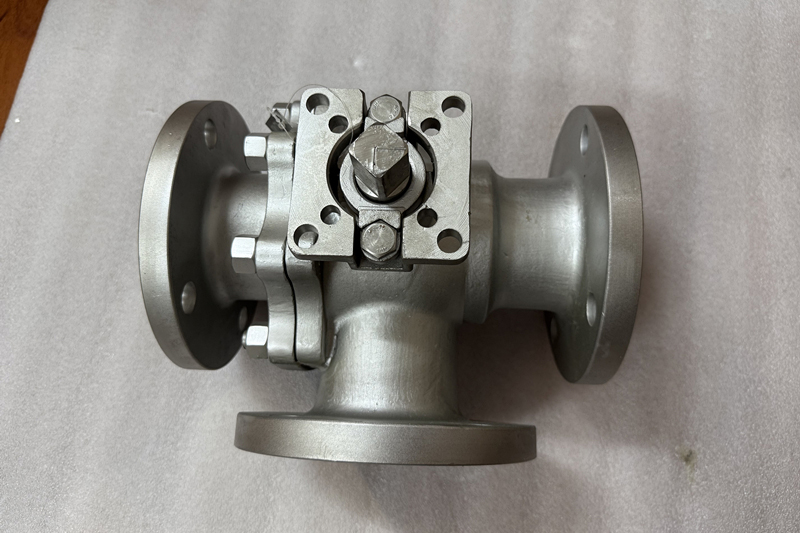
Three Way Ball Valve

The three way ball valve is a ball valve used for diverting, converging and changing the flow direction of the medium. According to its different structures, the three way ball valve is mainly divided into T type ball valve and L type ball valve. The T type three way ball valve can connect three orthogonal pipelines and cut off the third channel, which is suitable for diverting and converging operations; while the L type three way ball valve can only connect two orthogonal pipelines, and is mainly used for distribution.

Four Way Ball Valve

The 4 Way Ball Valves has two inlets and two outlets. The ball is designed with a complex channel structure inside to achieve cross-flow or diversion and confluence functions of the fluid. The four-way ball valve can flexibly adjust the distribution and mixing of fluids between multiple paths to meet complex process requirements, such as heat exchangers, distributors, mixers and other equipment.

Leave Your Message

Contact Form Demo